To prohibit an entity from receiving Federal funds if such entity permits an individual to access or use a single-sex facility on the property of such entity that does not correspond to the biological sex of such person, and for other purposes.
Analysis under review: This bill has generated analysis that may be too generic or incomplete. Clause-level evidence remains available below.
Summary
What This Bill Does
The bill prohibits federal funding to entities that permit individuals to access single-sex facilities that do not correspond to their biological sex, with exceptions for emergency medical personnel and law enforcement. It relies on procurement rules. The main policy areas are Civil Rights, Education, Healthcare, and Technology.
Who Benefits and How
Conservative advocacy organizations supporting biological sex-based facility policies would be affected and Educational institutions choosing to enforce biological sex-based facility access could face lower compliance burdens.
Who Bears the Burden and How
Transgender individuals seeking to access facilities corresponding to their gender identity could face higher barriers, State and local governments with non-discrimination ordinances protecting gender identity could lose revenue opportunities, and Educational institutions (K-12 schools, colleges, universities) with gender-inclusive facility policies would take on compliance duties.
Key Provisions
- Prohibits federal funding to entities that permit individuals to access single-sex facilities that do not correspond to their biological sex, with exceptions for emergency medical personnel and law enforcement.
Evidence Chain:
This summary is generated from the full bill text using AI analysis. Expand "Detailed Analysis" below for identified beneficiaries/burden bearers with clause-level evidence links.
At a Glance
What This Bill Does
The bill prohibits federal funding to entities that permit individuals to access single-sex facilities that do not correspond to their biological sex, with exceptions for emergency medical personnel and law enforcement.
Key Policy Areas
Civil Rights, Education, Healthcare, Technology
Primary Purpose
The bill prohibits federal funding to entities that permit individuals to access single-sex facilities that do not correspond to their biological sex, with exceptions for emergency medical personnel and law enforcement.
Policy Domains
Entire Bill - No Title Structure
Identified Gains
- Conservative advocacy organizations supporting biological sex-based facility policies
- Educational institutions choosing to enforce biological sex-based facility access
Identified Costs
- Transgender individuals seeking to access facilities corresponding to their gender identity
- State and local governments with non-discrimination ordinances protecting gender identity
- Educational institutions (K-12 schools, colleges, universities) with gender-inclusive facility policies
- Healthcare facilities and hospitals with gender-inclusive facility policies
- Private businesses with federal contracts that have gender-inclusive facility policies
Sponsors
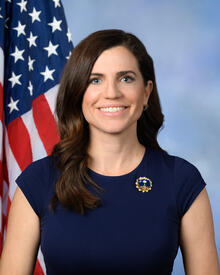
Legislative Progress
IntroducedMs. Mace introduced the following bill; which was referred to …
Stakeholder Effects
cui bono?How this legislation distributes effects. Mention counts reflect frequency, not effect magnitude.
Educational institutions (K-12 schools, colleges, universities) with gender-inclusive facility policies, Educational institutions choosing to enforce biological sex-based facility access
Positive-direction: Educational institutions choosing to enforce biological sex-based facility access
Negative-direction: Educational institutions (K-12 schools, colleges, universities) with gender-inclusive facility policies
Conservative advocacy organizations supporting biological sex-based facility policies, LGBTQ+ advocacy organizations opposing discrimination
Positive-direction: Conservative advocacy organizations supporting biological sex-based facility policies
Negative-direction: LGBTQ+ advocacy organizations opposing discrimination
Healthcare facilities and hospitals with gender-inclusive facility policies
State and local governments with non-discrimination ordinances protecting gender identity
Private businesses with federal contracts that have gender-inclusive facility policies
Transgender individuals seeking to access facilities corresponding to their gender identity
Bill Structure & Actor Mappings
Who is "The Secretary" in each section?
Key Definitions
Terms defined in this bill
The biological determination as to whether an individual is male or female
Any private entity, non-Federal Government agency or department, or State, Tribal, or local government (including a political subdivision, department, or component thereof)
An individual who naturally has, had, will have, or would have, but for a developmental or genetic anomaly or historical accident, the reproductive system that at some point produces, transports, and uses eggs for fertilization
An individual who naturally has, had, will have, or would have, but for a developmental or genetic anomaly or historical accident, the reproductive system that at some point produces, transports, and uses sperm for fertilization
Any building, land, or other real property owned, leased, controlled, or occupied by an entity
A space intended for the use of one biological sex (male or female), including a restroom, locker room, or changing room
We use a combination of our own taxonomy and classification in addition to large language models to assess meaning and potential beneficiaries. High confidence means strong textual evidence. Always verify with the original bill text.
Learn more about our methodology