To prohibit individuals from accessing or using single-sex facilities on Federal property other than those corresponding to their biological sex, and for other purposes.
Sponsors
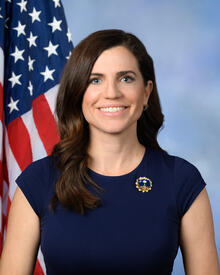

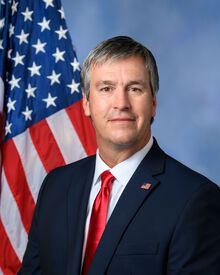


Legislative Progress
IntroducedMs. Mace (for herself, Mr. Ogles, Mr. Rulli, Mrs. Miller …
Summary
What This Bill Does
The "Protecting Women's Private Spaces Act" prohibits people from using single-sex restrooms, locker rooms, and changing rooms on federal property unless those facilities correspond to their biological sex. The bill defines biological sex based on reproductive systems - female as having egg-producing systems and male as having sperm-producing systems. It applies to all federal buildings, military facilities, post offices, and properties in Washington D.C. and U.S. territories.
Who Benefits and How
This bill primarily benefits individuals who oppose transgender people using facilities that match their gender identity rather than their sex assigned at birth. Emergency medical personnel and law enforcement officers are specifically exempted from the restrictions when responding to emergencies or conducting investigations, allowing them to access any facility as needed for their duties.
Who Bears the Burden and How
Transgender individuals bear the primary burden of this bill, as they would be prohibited from using facilities that correspond to their gender identity on all federal property. This includes federal employees, military personnel, visitors to national parks, and anyone else accessing federal facilities. Federal agencies would face the burden of enforcing these restrictions and potentially defending against discrimination lawsuits. LGBTQ+ advocacy organizations would likely expend resources challenging the bill's constitutionality.
Key Provisions
- Prohibits using single-sex facilities on federal property that don't match one's biological sex, defined by reproductive system type
- Applies to all restrooms, locker rooms, and changing rooms on federal property including military bases, post offices, and federal buildings
- Defines "female" and "male" based on reproductive systems that produce eggs or sperm, accounting for developmental anomalies
- Exempts emergency medical personnel responding to medical emergencies from the prohibition
- Exempts law enforcement officers actively pursuing suspects or conducting investigations
Evidence Chain:
This summary is derived from the structured analysis below. See "Detailed Analysis" for per-title beneficiaries/burden bearers with clause-level evidence links.
Primary Purpose
Prohibits individuals from using single-sex facilities on federal property that do not correspond to their biological sex
Policy Domains
Legislative Strategy
"Establish federal policy restricting transgender individuals access to single-sex facilities based on biological sex definitions"
Likely Beneficiaries
- Individuals seeking sex-segregated facilities based on biological sex
- Conservative advocacy groups
Likely Burden Bearers
- Transgender individuals
- Federal agencies responsible for enforcement
- LGBTQ+ advocacy organizations
Bill Structure & Actor Mappings
Who is "The Secretary" in each section?
Key Definitions
Terms defined in this bill
A space intended for the use of one biological sex (male or female), including restrooms, locker rooms, or changing rooms
Any building, land, or other real property owned, leased, or occupied by any department, agency, or instrumentality of the United States (including DoD and USPS), or any instrumentality wholly owned by the United States, or by any department or agency of DC or any territory or possession
The biological determination as to whether an individual is male or female
An individual who naturally has, had, will have, or would have, but for a developmental or genetic anomaly or historical accident, the reproductive system that at some point produces, transports, and utilizes eggs for fertilization
An individual who naturally has, had, will have, or would have, but for a developmental or genetic anomaly or historical accident, the reproductive system that at some point produces, transports, and utilizes sperm for fertilization
We use a combination of our own taxonomy and classification in addition to large language models to assess meaning and potential beneficiaries. High confidence means strong textual evidence. Always verify with the original bill text.
Learn more about our methodology