To allow the Administrator of the National Aeronautics and Space Administration to enter into agreements with private and commercial entities and State governments to provide certain supplies, support, and services.
Analysis under review: This bill has generated analysis that may be too generic or incomplete. Clause-level evidence remains available below.
Summary
What This Bill Does
This bill, known as the COMETS Act, allows NASA to enter into agreements with private companies, commercial entities, and state governments to provide them with supplies, support, and services for space activities conducted at NASA facilities. It amends existing law to give NASA explicit authority to support non-federal space operations at its properties.
Who Benefits and How
Private space companies and commercial entities benefit by gaining access to NASA facilities, equipment, and support services for their own space activities. State governments running space programs also benefit from this shared infrastructure. NASA benefits from the reimbursable funding it receives for these services.
Who Bears the Burden and How
There are limited direct burdens, since the bill requires full reimbursement from private or state partners before NASA can make any obligations. However, NASA must ensure these arrangements do not interfere with its own mission or compete unfairly with other commercial space companies.
Key Provisions
- NASA may provide supplies, support, and services to private/commercial entities and state governments for space activities at NASA properties
- NASA may bundle outside requests into its own procurement contracts if it serves the government's interest
- Full reimbursable funding from the requesting entity is required before NASA commits to any delivery obligations
Evidence Chain:
This summary is generated from the full bill text using AI analysis. Expand "Detailed Analysis" below for identified beneficiaries/burden bearers with clause-level evidence links.
At a Glance
What This Bill Does
Authorizes NASA to enter into agreements with private companies, commercial entities, and state governments to provide supplies, support, and services for space activities at NASA-owned or operated facilities.
Key Policy Areas
Space Policy, Government Contracting, Public-Private Partnerships
Primary Purpose
Authorizes NASA to enter into agreements with private companies, commercial entities, and state governments to provide supplies, support, and services for space activities at NASA-owned or operated facilities.
Policy Domains
Whole Bill
Identified Gains
- Private Space Companies
- Commercial Space Entities
- State Space Programs
Identified Costs
- NASA (Administrative Burden)
Sponsors

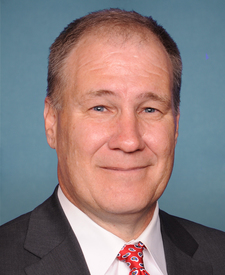
Mike Ezell
R-MS | Primary Sponsor
Legislative Progress
IntroducedMr. Ezell (for himself and Mr. Kelly of Mississippi) introduced …
Stakeholder Effects
cui bono?How this legislation distributes effects. Mention counts reflect frequency, not effect magnitude.
Private and commercial space companies
State governments with space programs
Bill Structure & Actor Mappings
Who is "The Secretary" in each section?
- "State Governments"
- → May request supplies, support, and services from NASA
- "NASA Administrator"
- → Authorized to enter agreements and approve inclusion of outside requests
- "Private/Commercial Entities"
- → May request supplies, support, and services from NASA
We use a combination of our own taxonomy and classification in addition to large language models to assess meaning and potential beneficiaries. High confidence means strong textual evidence. Always verify with the original bill text.
Learn more about our methodology