To require the Secretary of Defense to develop, in cooperation with allies and partners in the Middle East, an integrated space and satellite security capability, and for other purposes.
Analysis under review: This bill has generated analysis that may be too generic or incomplete. Clause-level evidence remains available below.
Summary
What This Bill Does
This bill requires the Secretary of Defense to develop a Middle East integrated space and satellite security strategy, building on the Abraham Accords and Israel's incorporation into U.S. Central Command. The strategy must include a multilateral data-sharing agreement among U.S. allies and partners in the region to defend against threats to space systems.
Who Benefits and How
U.S. military and intelligence agencies benefit from improved space situational awareness and coordination with regional partners. Israel and other Abraham Accords signatory nations gain integration into multilateral space security partnerships. U.S. defense contractors and space technology companies may benefit from new procurements needed to build the integrated architecture. Middle Eastern ally and partner nations gain improved protection of their people, infrastructure, and territory from space-based threats.
Who Bears the Burden and How
The Department of Defense bears the primary administrative burden, having to develop and submit a comprehensive strategy to Congress within 60 days of enactment. The Secretary of State must be consulted throughout. U.S. taxpayers potentially bear costs of establishing the integrated architecture, though the bill requires a cost estimate and assessment of what allies can contribute. Congressional defense and intelligence committees receive extensive reporting obligations.
Key Provisions
- Requires a comprehensive strategy within 60 days covering threat assessment, capability gaps, and coordination efforts
- Mandates identification of architecture elements that allies can acquire versus those only the U.S. military can operate
- Requires cost estimates and assessment of partner country resource contributions
- Strategy must be unclassified but may include a classified annex
- Requires metrics to track implementation progress
Evidence Chain:
This summary is generated from the full bill text using AI analysis. Expand "Detailed Analysis" below for identified beneficiaries/burden bearers.
At a Glance
What This Bill Does
Directs the Secretary of Defense to develop, in cooperation with Middle East allies and partners, an integrated space and satellite security strategy and multilateral data-sharing agreement to protect against hostile activities targeting space systems.
Key Policy Areas
Defense, Foreign Affairs, Space
Primary Purpose
Directs the Secretary of Defense to develop, in cooperation with Middle East allies and partners, an integrated space and satellite security strategy and multilateral data-sharing agreement to protect against hostile activities targeting space systems.
Policy Domains
Whole Bill
Identified Gains
Contextual inference, no direct clause citation- U.S. military and intelligence agencies
- Israel and Abraham Accords partner nations
- U.S. defense and space technology industry
- Middle Eastern ally nations
Contextual inference, no direct clause citation
Identified Costs
Contextual inference, no direct clause citation- Department of Defense
- Department of State
- U.S. taxpayers
Contextual inference, no direct clause citation
Sponsors

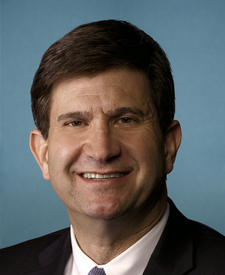


Legislative Progress
IntroducedMr. Panetta (for himself, Mr. Nunn of Iowa, Mr. Schneider, …
Stakeholder Effects
cui bono?How this legislation distributes effects. Mention counts reflect frequency, not effect magnitude.
Defense contractors, U.S. satellite technology companies
Bill Structure & Actor Mappings
Who is "The Secretary" in each section?
- "the_secretary_of_state"
- → Secretary of State
- "the_secretary_of_defense"
- → Secretary of Defense
Key Definitions
Terms defined in this bill
The Armed Services, Appropriations, Foreign Relations/Affairs, and Intelligence committees of both the Senate and House of Representatives.
We use a combination of our own taxonomy and classification in addition to large language models to assess meaning and potential beneficiaries. High confidence means strong textual evidence. Always verify with the original bill text.
Learn more about our methodology