BADGES for Native Communities Act
Summary
What This Bill Does
The BADGES for Native Communities Act is a multi-part tribal public-safety bill. It appoints tribal facilitators for the National Missing and Unidentified Persons System, expands reporting on unmet tribal justice staffing and infrastructure needs, creates a five-year BIA law-enforcement background-check demonstration program, establishes a missing or murdered response coordination grant program, directs GAO to study evidence collection and processing by BIA and FBI in Indian country, and requires HHS and DOJ to coordinate counseling and wellness resources for BIA and tribal law-enforcement officers.
Who Benefits and How
Indian Tribes benefit from dedicated facilitators, grants, data reporting, and coordination around missing-persons and death investigations. Families of missing Indigenous persons benefit from better reporting into national databases and stronger response coordination. Tribal law enforcement agencies benefit from grant funding, staffing-needs visibility, and mental health support resources. BIA law-enforcement applicants benefit if the background-check demonstration shortens hiring delays.
Who Bears the Burden and How
The Department of Justice must appoint facilitators, run the grant program, and coordinate reports and technical assistance. Bureau of Indian Affairs justice offices must support background investigations, staffing reports, and evidence-practice reviews. GAO must study evidence handling, response times, processing barriers, and declination-rate connections. HHS wellness program staff must coordinate culturally appropriate mental health resources for tribal and BIA officers.
Key Provisions
- Creates tribal facilitators for NamUs reporting and technical assistance.
- Requires broader reporting on unmet tribal justice staffing, facility, technology, and emergency communications needs.
- Establishes a five-year BIA law-enforcement background-check demonstration program.
- Authorizes missing or murdered response coordination grants and GAO evidence-processing review.
Evidence Chain:
This summary is generated from the full bill text using AI analysis. Expand "Detailed Analysis" below for identified beneficiaries/burden bearers with clause-level evidence links.
At a Glance
What This Bill Does
Creates tribal missing-persons and death-investigation supports, law-enforcement staffing reporting, BIA background-check pilots, response grants, GAO evidence reviews, and wellness coordination for tribal officers.
Key Policy Areas
Tribal Affairs, Public Safety, Law Enforcement
Primary Purpose
Creates tribal missing-persons and death-investigation supports, law-enforcement staffing reporting, BIA background-check pilots, response grants, GAO evidence reviews, and wellness coordination for tribal officers.
Policy Domains
Resolution provisions
Identified Gains
- Indian Tribes
- Families of missing Indigenous persons
- Tribal law enforcement agencies
- BIA law-enforcement applicants
Identified Costs
- Department of Justice
- Bureau of Indian Affairs justice offices
- GAO
- HHS wellness program staff
Sponsors


Legislative Progress
In CommitteeSubcommittee Hearings Held
Referred to the Subcommittee on Indian and Insular Affairs.
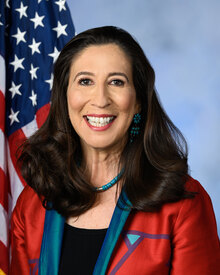
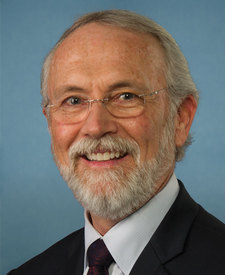
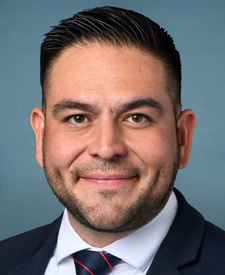
Ms. Leger Fernandez (for herself, Mr. Newhouse, and Ms. Davids …
Referred to the Committee on the Judiciary, and in addition …
Introduced in House
Stakeholder Effects
cui bono?How this legislation distributes effects. Mention counts reflect frequency, not effect magnitude.
Department of Justice, Indian Tribes
Positive-direction: Indian Tribes
Negative-direction: Department of Justice
Bill Structure & Actor Mappings
Who is "The Secretary" in each section?
We use a combination of our own taxonomy and classification in addition to large language models to assess meaning and potential beneficiaries. High confidence means strong textual evidence. Always verify with the original bill text.
Learn more about our methodology