To amend title XIX of the Social Security Act to ensure access to immunizations under the Medicaid program and the Vaccines for Children program, and for other purposes.
Analysis under review: This bill has generated analysis that may be too generic or incomplete. Clause-level evidence remains available below.
Summary
What This Bill Does
This bill strengthens the federal Vaccines for Children (VFC) program and Medicaid coverage of childhood immunizations. It pays providers $7,500 to join or stay in the VFC program (plus $2,500 for staying through 2026), expands which children qualify for free vaccines, sets a floor on reimbursement rates for vaccine administration at Medicare levels, and increases the federal Medicaid matching rate by 1 percentage point for states that conduct vaccination outreach. It also improves data sharing with tribal epidemiology centers and requires public reporting on vaccination rates.
Who Benefits and How
Children enrolled in Medicaid, CHIP, or who are uninsured benefit from expanded access to free vaccines. Healthcare providers benefit from incentive payments and higher reimbursement rates for administering vaccines. States benefit from a higher federal matching percentage. Tribal communities benefit from improved access to vaccination data.
Who Bears the Burden and How
The federal government bears the cost of provider incentive payments, increased Medicaid matching rates, and higher reimbursement floors. States must conduct culturally competent vaccination outreach to qualify for the increased federal match. Providers receiving incentive payments face oversight and potential recoupment if funds are misused.
Key Provisions
- $7,500 incentive payment for current VFC providers, plus $2,500 for those who stay through December 2026
- Expands the definition of federally vaccine-eligible children to include uninsured children and those enrolled in CHIP
- Sets minimum payment for vaccine administration at 100% of Medicare rates through December 2026
- Increases Federal Medical Assistance Percentage by 1 point for states conducting vaccination outreach
- Creates data sharing framework for tribal epidemiology centers
- Requires CDC to publish vaccination rate data disaggregated by demographics
Evidence Chain:
This summary is generated from the full bill text using AI analysis. Expand "Detailed Analysis" below for identified beneficiaries/burden bearers.
At a Glance
What This Bill Does
Amends the Social Security Act to strengthen the Vaccines for Children program by expanding eligibility, increasing provider incentive payments, setting minimum payment rates for vaccine administration, increasing federal matching funds, and improving data sharing and reporting on vaccination rates.
Key Policy Areas
Healthcare, Children & Families
Primary Purpose
Amends the Social Security Act to strengthen the Vaccines for Children program by expanding eligibility, increasing provider incentive payments, setting minimum payment rates for vaccine administration, increasing federal matching funds, and improving data sharing and reporting on vaccination rates.
Policy Domains
Whole Bill
Identified Gains
Contextual inference, no direct clause citation- Children on Medicaid, CHIP, or uninsured
- Healthcare providers administering vaccines
- States (via increased federal matching)
- Tribal communities (improved data access)
Contextual inference, no direct clause citation
Identified Costs
Contextual inference, no direct clause citation- Federal government (increased spending)
- States (outreach requirements)
- Vaccine manufacturers (indirectly, via program expansion)
Contextual inference, no direct clause citation
Sponsors
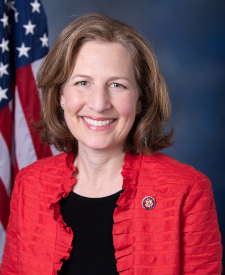
Kim Schrier
D-WA | Primary Sponsor
Legislative Progress
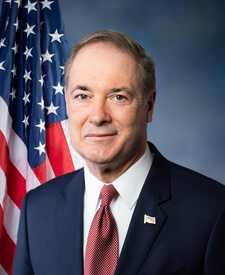
IntroducedMs. Schrier (for herself and Mr. Joyce of Pennsylvania) introduced …
Stakeholder Effects
cui bono?How this legislation distributes effects. Mention counts reflect frequency, not effect magnitude.
Bill Structure & Actor Mappings
Who is "The Secretary" in each section?
- "director_cdc"
- → Director of the Centers for Disease Control and Prevention
- "the_secretary"
- → Secretary of Health and Human Services
- "comptroller_general"
- → Comptroller General of the United States
We use a combination of our own taxonomy and classification in addition to large language models to assess meaning and potential beneficiaries. High confidence means strong textual evidence. Always verify with the original bill text.
Learn more about our methodology