To amend title 38, United States Code, to ensure that the prohibition against interment or memorialization in the National Cemetery Administration or Arlington National Cemetery of persons committing Federal or State capital crimes is consistently carried out, to direct the Secretary of Veterans Affairs to disinter the remains of George E. Siple from Indiantown Gap National Cemetery, and for other purposes.
Analysis under review: This bill has generated analysis that may be too generic or incomplete. Clause-level evidence remains available below.
Summary
What This Bill Does
This bill strengthens enforcement of the existing ban on burying persons convicted of capital crimes in national cemeteries. It requires federal officials to proactively search public records before approving interments in the National Cemetery Administration or Arlington National Cemetery. It also expands the authority to disinter remains that were improperly buried, making this authority retroactive. Finally, it specifically directs the Secretary of Veterans Affairs to disinter the remains of George E. Siple from Indiantown Gap National Cemetery and return them to next-of-kin.
Who Benefits and How
Families of veterans buried in national cemeteries benefit from the assurance that the honor of those cemeteries is protected. Crime victims and their families -- particularly the family of the person referenced in the bill title (Bertie) -- benefit from the removal of a convicted criminal from a place of honor. Veterans and service members benefit from the preserved sanctity of national cemetery grounds.
Who Bears the Burden and How
Federal cemetery officials bear the new administrative burden of proactively searching public records before every interment. The VA bears the cost and logistical responsibility of disinterring specific remains. The next-of-kin of George E. Siple must receive and arrange reburial of his remains elsewhere, or the VA must arrange alternative disposition.
Key Provisions
- Requires proactive public records searches before interments in national cemeteries
- Expands retroactive authority to disinter remains of persons convicted of capital crimes
- Specifically directs the disinterment of George E. Siple from Indiantown Gap National Cemetery
- Requires notification of next-of-kin before disinterment
Evidence Chain:
This summary is generated from the full bill text using AI analysis. Expand "Detailed Analysis" below for identified beneficiaries/burden bearers.
At a Glance
What This Bill Does
Strengthens the prohibition against burying persons convicted of federal or state capital crimes in national cemeteries by requiring proactive background checks, expanding the authority to disinter improperly buried remains, and directing the disinterment of a specific individual from Indiantown Gap National Cemetery.
Key Policy Areas
Veterans Affairs, Criminal Justice
Primary Purpose
Strengthens the prohibition against burying persons convicted of federal or state capital crimes in national cemeteries by requiring proactive background checks, expanding the authority to disinter improperly buried remains, and directing the disinterment of a specific individual from Indiantown Gap National Cemetery.
Policy Domains
Whole Bill
Identified Gains
Contextual inference, no direct clause citation- Families of veterans buried in national cemeteries
- Crime victims and their families
- Veterans and service members
Contextual inference, no direct clause citation
Identified Costs
Contextual inference, no direct clause citation- Federal cemetery officials (new administrative duties)
- Department of Veterans Affairs (disinterment costs)
- Next-of-kin of disinterred individuals
Contextual inference, no direct clause citation
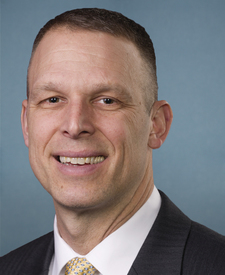
Sponsors
Legislative Progress
IntroducedMr. Perry introduced the following bill; which was referred to …
Stakeholder Effects
cui bono?How this legislation distributes effects. Mention counts reflect frequency, not effect magnitude.
Department of Veterans Affairs, National Cemetery Administration
Bill Structure & Actor Mappings
Who is "The Secretary" in each section?
- "the_secretary"
- → Secretary of Veterans Affairs
- "appropriate_federal_official"
- → Federal official responsible for national cemetery interments
We use a combination of our own taxonomy and classification in addition to large language models to assess meaning and potential beneficiaries. High confidence means strong textual evidence. Always verify with the original bill text.
Learn more about our methodology