Caring for All Families Act
Summary
What This Bill Does
The Caring for All Families Act broadens who counts as family for unpaid FMLA leave and for parallel federal-employee leave rules. It adds domestic partners, parents-in-law, adult children, grandparents, grandchildren, siblings, sons-in-law, daughters-in-law, and close family-equivalent relationships. It also creates limited parental-involvement and family-wellness leave: up to 4 hours in a 30-day period and 24 hours in a 12-month period for school or community activities, routine medical and dental appointments, and care visits for elderly close-family-equivalent individuals. The bill therefore turns a narrow biological/legal family model into a broader caregiving model for private-sector and federal workers.
Who Benefits and How
Private-sector employees benefit because more real caregiving relationships qualify for job-protected FMLA leave. Federal employees benefit because title 5 leave definitions are expanded in parallel with the private-sector FMLA rules. Domestic partners and extended family members benefit because workers can take leave to provide care without forcing a spouse-child-parent fit. Parents and grandparents benefit from limited leave for school activities, routine care, and family wellness appointments.
Who Bears the Burden and How
Covered employers must update FMLA policies, eligibility documentation, scheduling practices, and supervisor training. Federal agency human resources offices must administer broader leave categories for federal employees. Small employer managers may face additional staffing gaps when eligible employees use broader caregiving leave. Leave administrators must evaluate close-association claims that are family-like but not based on legal or biological status.
Key Provisions
- Expands FMLA family definitions to domestic partners, in-laws, adult children, grandparents, grandchildren, siblings, and close family-equivalent individuals.
- Amends title 5 so federal employees receive the same broader family-care definitions.
- Creates limited parental-involvement and family-wellness leave for school activities and routine medical or elder-care needs.
- Limits the new wellness leave to 4 hours per 30 days and 24 hours per 12 months.
Evidence Chain:
This summary is generated from the full bill text using AI analysis. Expand "Detailed Analysis" below for identified beneficiaries/burden bearers with clause-level evidence links.
At a Glance
What This Bill Does
Expands Family and Medical Leave Act coverage so workers can care for domestic partners, in-laws, adult children, grandparents, grandchildren, siblings, close family-equivalent individuals, and routine family wellness needs.
Key Policy Areas
Labor, Family Leave, Federal Workforce
Primary Purpose
Expands Family and Medical Leave Act coverage so workers can care for domestic partners, in-laws, adult children, grandparents, grandchildren, siblings, close family-equivalent individuals, and routine family wellness needs.
Policy Domains
Resolution provisions
Identified Gains
- Private-sector employees
- Federal employees
- Domestic partners
- Parents and grandparents
Identified Costs
- Covered employers
- Federal agency human resources offices
- Small employer managers
- Leave administrators
Sponsors
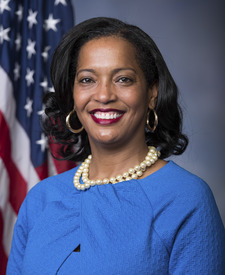
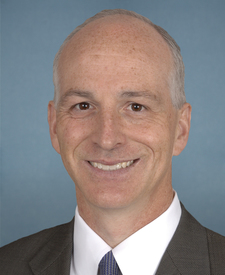
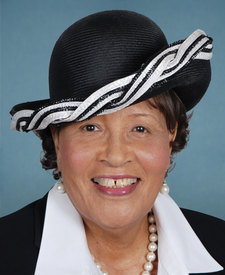
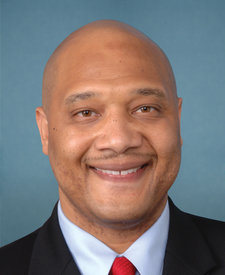

Legislative Progress
In CommitteeMrs. Hayes (for herself, Ms. Norton, Mr. Thompson of Mississippi, …
Referred to the Committee on Education and Workforce, and in …
Introduced in House
Stakeholder Effects
cui bono?How this legislation distributes effects. Mention counts reflect frequency, not effect magnitude.
Bill Structure & Actor Mappings
Who is "The Secretary" in each section?
We use a combination of our own taxonomy and classification in addition to large language models to assess meaning and potential beneficiaries. High confidence means strong textual evidence. Always verify with the original bill text.
Learn more about our methodology