To provide for a memorandum of understanding to address the impacts of a certain record of decision on the Upper Colorado River Basin Fund.
Summary
What This Bill Does
Directs the Secretary of the Interior, acting through the Commissioner of Reclamation, and the Secretary of Energy, acting through the Administrator of the Western Area Power Administration, to enter into a memorandum of understanding as soon as practicable after enactment. The MOU must explore and address the effect of the July 2024 Supplement to the 2016 Glen Canyon Dam Long-Term Experimental and Management Plan Record of Decision on the Upper Colorado River Basin Fund. Using existing hydropower contract information, the plan must address fund obligations for operations, maintenance, and replacement of critical infrastructure; hydropower production at Glen Canyon Dam; replacement-power costs and grid reliability; and impacts on threatened and endangered species.
Who Benefits and How
Upper Colorado River Basin Fund ratepayers, hydropower utilities, Western Area Power Administration customers, Colorado River water users, Glen Canyon Dam power customers, Bureau of Reclamation planners, endangered-species managers, and the Glen Canyon Dam Adaptive Management Work Group benefit from a coordinated federal assessment of how dam-management decisions affect fund finances, infrastructure, electricity supply, replacement-power costs, grid reliability, and listed species.
Who Bears the Burden and How
The Department of the Interior, Bureau of Reclamation, Department of Energy, Western Area Power Administration, Glen Canyon Dam Adaptive Management Work Group, hydropower contract administrators, grid planners, and federal environmental staff must negotiate the MOU, assemble hydropower contract data, evaluate fund obligations, assess replacement-power costs, and identify impacts on species listed under the Endangered Species Act. The bill preserves Administrative Procedure Act rights and obligations rather than overriding the record of decision directly.
Key Provisions
- Requires Interior/Reclamation and Energy/WAPA to enter an MOU in consultation with the Glen Canyon Dam Adaptive Management Work Group.
- Focuses the MOU on the July 2024 supplement to the 2016 Glen Canyon Dam Long-Term Experimental and Management Plan record of decision.
- Requires a plan addressing Upper Colorado River Basin Fund obligations for operations, maintenance, and critical infrastructure replacement.
- Requires analysis of Glen Canyon Dam hydropower production, replacement-power costs, and grid reliability.
- Requires identification of impacts on threatened and endangered species.
- Protects Administrative Procedure Act rights and obligations.
Evidence Chain:
This summary is generated from the full bill text using AI analysis. Expand "Detailed Analysis" below for identified beneficiaries/burden bearers with clause-level evidence links.
At a Glance
What This Bill Does
Requires Interior/Reclamation and Energy/WAPA to enter an MOU with the Glen Canyon Dam Adaptive Management Work Group on how the July 2024 Glen Canyon Dam record of decision affects the Upper Colorado River Basin Fund, hydropower production, replacement-power costs, grid reliability, infrastructure obligations, and endangered species.
Key Policy Areas
Water, Hydropower, Public Lands, Energy
Primary Purpose
Requires Interior/Reclamation and Energy/WAPA to enter an MOU with the Glen Canyon Dam Adaptive Management Work Group on how the July 2024 Glen Canyon Dam record of decision affects the Upper Colorado River Basin Fund, hydropower production, replacement-power costs, grid reliability, infrastructure obligations, and endangered species.
Policy Domains
Substantive provisions
Identified Gains
- Upper Colorado River Basin Fund ratepayers
- Hydropower utilities
- Western Area Power Administration customers
- Colorado River water users
- Glen Canyon Dam power customers
- Endangered-species managers
Identified Costs
- Department of the Interior
- Bureau of Reclamation
- Department of Energy
- Western Area Power Administration
- Glen Canyon Dam Adaptive Management Work Group
- Hydropower contract administrators
- Federal environmental staff
Sponsors

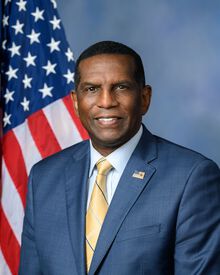

Legislative Progress
Passed HouseReceived; read twice and referred to the Committee on Energy …
Passed House (inferred from eh version)
Received in the Senate and Read twice and referred to …
DEBATE - The House proceeded with forty minutes of debate …
Motion to reconsider laid on the table Agreed to without …
On motion to suspend the rules and pass the bill …
Passed/agreed to in House: On motion to suspend the rules …
Considered under suspension of the rules. (consideration: CR H1972-1973)
Mr. Westerman moved to suspend the rules and pass the …
Committed to the Committee of the Whole House on the …
Stakeholder Effects
cui bono?How this legislation distributes effects. Mention counts reflect frequency, not effect magnitude.
Bureau of Reclamation, Glen Canyon Dam Adaptive Management Work Group, Western Area Power Administration
Bill Structure & Actor Mappings
Who is "The Secretary" in each section?
- "fund"
- → Upper Colorado River Basin Fund.
- "record_of_decision"
- → July 2024 supplement to the 2016 Glen Canyon Dam Long-Term Experimental and Management Plan record of decision.
We use a combination of our own taxonomy and classification in addition to large language models to assess meaning and potential beneficiaries. High confidence means strong textual evidence. Always verify with the original bill text.
Learn more about our methodology