Proposing an amendment to the Constitution of the United States prohibiting the United States Government from increasing its debt except for a specific purpose by law adopted by three-fourths of the membership of each House of Congress.
Summary
What This Bill Does
This joint resolution proposes a constitutional debt-limit rule. Congress.gov's CRS summary describes it as prohibiting the U.S. government from increasing debt except for a specific purpose adopted by three-fourths of each chamber. If ratified by the states, ordinary majority legislation would no longer be enough to raise federal debt authority. The stakes are federal borrowing, Treasury cash management, emergency spending, taxpayer exposure to debt, and the risk that programs are disrupted when supermajority support is unavailable.
Who Benefits and How
Federal taxpayers benefit if the amendment slows debt growth and forces a high-threshold vote before new borrowing. Debt-limit restraint advocates benefit because their supermajority rule would move into constitutional text. Members of Congress opposing new borrowing benefit from additional leverage over debt increases. Credit-market watchdogs benefit from a clearer constitutional trigger for debates over new federal debt.
Who Bears the Burden and How
Treasury cash managers must operate under tighter debt authority and greater default-risk pressure if Congress cannot reach the threshold. Federal program beneficiaries may face payment delays or cuts when borrowing authority is constrained. Members of Congress supporting emergency borrowing must assemble three-fourths support in each chamber. State legislatures must decide whether to ratify a major constraint on federal fiscal flexibility.
Key Provisions
- Prohibits federal debt increases unless Congress identifies a specific purpose.
- Requires three-fourths of each chamber to approve a covered debt increase.
- Moves debt-limit policy from ordinary statute to constitutional law if ratified.
- Restricts fiscal flexibility during emergencies, recessions, or revenue shortfalls.
Evidence Chain:
This summary is generated from the full bill text using AI analysis. Expand "Detailed Analysis" below for identified beneficiaries/burden bearers.
At a Glance
What This Bill Does
Proposes a constitutional amendment requiring a three-fourths vote of each chamber before the federal government may increase debt for a specific purpose.
Key Policy Areas
Budget, Constitutional Amendment
Primary Purpose
Proposes a constitutional amendment requiring a three-fourths vote of each chamber before the federal government may increase debt for a specific purpose.
Policy Domains
Resolution provisions
Identified Gains
Contextual inference, no direct clause citation- Federal taxpayers
- Debt-limit restraint advocates
- Members opposing new borrowing
- Credit-market watchdogs
Contextual inference, no direct clause citation
Identified Costs
Contextual inference, no direct clause citation- Treasury cash managers
- Federal program beneficiaries
- Members supporting emergency borrowing
- State legislatures
Contextual inference, no direct clause citation
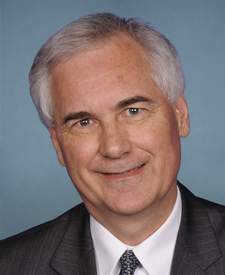
Sponsors



Legislative Progress
In CommitteeIntroduced in House
Referred to the House Committee on the Judiciary.
Bill Structure & Actor Mappings
Who is "The Secretary" in each section?
We use a combination of our own taxonomy and classification in addition to large language models to assess meaning and potential beneficiaries. High confidence means strong textual evidence. Always verify with the original bill text.
Learn more about our methodology