Proposing an amendment to the Constitution of the United States providing that there is no immunity from criminal prosecution for an act on the grounds that such act was within the constitutional authority or official duties of an individual, and providing that the President may not grant a pardon to himself or herself.
Summary
What This Bill Does
This joint resolution responds to criminal accountability questions for high federal officials. It proposes a constitutional rule that no officer of the United States, including the President, Vice President, Senators, and Representatives, is immune from criminal prosecution for otherwise valid federal-law violations merely because the act was within constitutional authority or official duties. It also states that the President has no power to pardon himself or herself.
Who Benefits and How
Federal criminal attorneys benefit from clearer authority to pursue official-act prosecutions without a constitutional immunity shield. Voters seeking official accountability benefit because the amendment limits criminal impunity for high federal officers. Congressional ethics and judiciary committees benefit from a constitutional standard for oversight of official misconduct. Courts benefit from direct constitutional text addressing official-act immunity and self-pardons.
Who Bears the Burden and How
Presidents, Vice Presidents, Senators, Representatives, and federal officers face increased criminal exposure for federal-law violations. Presidential legal offices must account for the loss of any self-pardon power. Defense attorneys for federal officials must litigate without relying on the covered immunity argument. State legislatures must decide whether to ratify a major accountability amendment.
Key Provisions
- Provides a constitutional rule that federal officers are not immune from criminal prosecution for official-duty acts.
- Requires the President, Vice President, Senators, and Representatives to face the no-immunity rule.
- Prohibits the President from granting a self-pardon.
- Bars official-duty status from serving as a criminal-immunity shield for otherwise valid federal-law violations.
Evidence Chain:
This summary is generated from the full bill text using AI analysis. Expand "Detailed Analysis" below for identified beneficiaries/burden bearers with clause-level evidence links.
At a Glance
What This Bill Does
Proposes a constitutional amendment removing official-act immunity from criminal prosecution for federal officers and barring presidential self-pardons.
Key Policy Areas
Constitutional Amendment, Criminal Justice, Executive Power
Primary Purpose
Proposes a constitutional amendment removing official-act immunity from criminal prosecution for federal officers and barring presidential self-pardons.
Policy Domains
Resolution provisions
Identified Gains
- Federal criminal attorneys
- Voter accountability organizations
- Congressional ethics committees
- Federal courts
Identified Costs
- Presidential officers
- Vice Presidential officers
- Senate officers
- House Representatives
- Federal officers
- Presidential legal offices
Sponsors
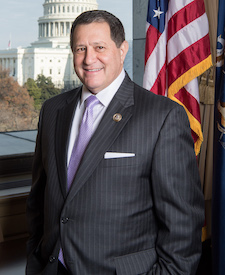
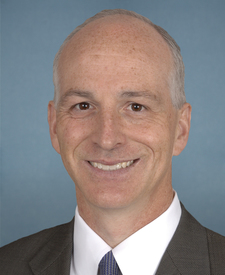

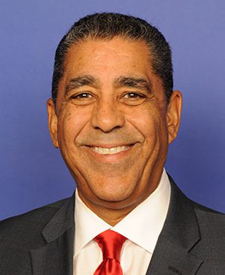

Legislative Progress
In CommitteeReferred to the House Committee on the Judiciary.
Introduced in House
Stakeholder Effects
cui bono?How this legislation distributes effects. Mention counts reflect frequency, not effect magnitude.
Bill Structure & Actor Mappings
Who is "The Secretary" in each section?
We use a combination of our own taxonomy and classification in addition to large language models to assess meaning and potential beneficiaries. High confidence means strong textual evidence. Always verify with the original bill text.
Learn more about our methodology