Celebrating the 50th anniversary of the Magnuson-Stevens Fishery Conservation and Management Act on April 13, 2026, and recognizing its significant impact on the sustainable and profitable management of the Nation's fishery resources.
Summary
What This Bill Does
This concurrent resolution commemorates the Magnuson-Stevens Fishery Conservation and Management Act on its 50th anniversary. It recognizes the statute's role in creating regional fishery management, rebuilding fish stocks, supporting coastal economies, and balancing conservation with profitable commercial and recreational fishing. It does not change catch limits or council authority, but it elevates the law's legacy and the people and institutions that manage U.S. fisheries.
Who Benefits and How
Regional Fishery Management Councils benefit from congressional recognition of the management system created by the Magnuson-Stevens Act. Commercial fishermen benefit because the resolution links sustainable fishery management with profitable coastal economies. Recreational anglers benefit from recognition that healthy fish stocks support long-term fishing access. NOAA Fisheries scientists benefit from public support for stock assessments, rebuilding plans, and science-based management.
Who Bears the Burden and How
NOAA Fisheries managers must continue administering science-based catch limits and rebuilding requirements. Fishery Management Council staff must keep balancing conservation, fishing access, and economic impacts. Fishing businesses may face ongoing compliance costs under Magnuson-Stevens management plans. Congressional oceans committees must oversee the statute's future reauthorization and implementation debates.
Key Provisions
- Provides congressional recognition of the Magnuson-Stevens Act's 50th anniversary.
- Strengthens support for regional fishery management, science-based conservation, and profitable coastal economies.
- Recognizes commercial fishermen, recreational anglers, fishery scientists, and coastal communities.
- Uses commemoration without directly changing catch limits, council authority, or fisheries funding.
Evidence Chain:
This summary is generated from the full bill text using AI analysis. Expand "Detailed Analysis" below for identified beneficiaries/burden bearers.
At a Glance
What This Bill Does
Celebrates the 50th anniversary of the Magnuson-Stevens Fishery Conservation and Management Act and recognizes its role in sustainable and profitable U.S. fishery management.
Key Policy Areas
Fisheries, Oceans, Commemoration
Primary Purpose
Celebrates the 50th anniversary of the Magnuson-Stevens Fishery Conservation and Management Act and recognizes its role in sustainable and profitable U.S. fishery management.
Policy Domains
Resolution provisions
Identified Gains
Contextual inference, no direct clause citation- Regional Fishery Management Councils
- Commercial fishermen
- Recreational anglers
- NOAA Fisheries scientists
Contextual inference, no direct clause citation
Identified Costs
Contextual inference, no direct clause citation- NOAA Fisheries managers
- Fishery Management Council staff
- Fishing businesses
- Congressional oceans committees
Contextual inference, no direct clause citation
Sponsors
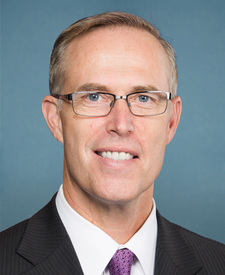


Legislative Progress
In CommitteeReferred to the House Committee on Natural Resources.
Submitted in House
Stakeholder Effects
cui bono?How this legislation distributes effects. Mention counts reflect frequency, not effect magnitude.
Commercial fishermen, Fishing businesses, Regional Fishery Management Councils
Bill Structure & Actor Mappings
Who is "The Secretary" in each section?
We use a combination of our own taxonomy and classification in addition to large language models to assess meaning and potential beneficiaries. High confidence means strong textual evidence. Always verify with the original bill text.
Learn more about our methodology