Recognizing the duty of Congress to meet the needs of working women.
Summary
What This Bill Does
This resolution is a working-women policy statement. It says Congress has an affirmative duty to ensure women have equal opportunity in the workforce and connects that duty to economic security, democratic participation, shared prosperity, and full participation in public life. It does not create a paid leave or child care program by itself, but it supports a legislative agenda around pay equity, workplace protections, caregiving support, and anti-discrimination enforcement.
Who Benefits and How
Working women benefit because the resolution frames workplace equality as a congressional duty rather than a discretionary goal. Women workers with caregiving responsibilities benefit from language tying economic security to the needs of working women. Labor advocacy organizations benefit from congressional support for policies that improve opportunity and shared prosperity. Families relying on women's earnings benefit when Congress highlights workforce participation and economic security together.
Who Bears the Burden and How
Congressional labor committees must consider follow-up legislation or oversight if they accept the duty described in the resolution. Employers with discriminatory workplace practices face political pressure to change pay, scheduling, promotion, and caregiving policies. Federal labor enforcement offices may face pressure to prioritize sex-discrimination and workplace-equality issues. Opponents of workplace-equity legislation bear political costs because the resolution frames women's workforce needs as a congressional obligation.
Key Provisions
- Provides congressional recognition of a duty to meet the needs of working women.
- Strengthens support for equal opportunity, economic security, democratic participation, and shared prosperity.
- Directs attention to pay equity, workplace protections, caregiving, and anti-discrimination policy areas.
- Uses a sense resolution without directly creating a new employer mandate or benefits program.
Evidence Chain:
This summary is generated from the full bill text using AI analysis. Expand "Detailed Analysis" below for identified beneficiaries/burden bearers.
At a Glance
What This Bill Does
Recognizes Congress's duty to meet the needs of working women through equal opportunity, economic security, democratic participation, shared prosperity, and full workforce participation.
Key Policy Areas
Labor, Gender Equality, Family Policy
Primary Purpose
Recognizes Congress's duty to meet the needs of working women through equal opportunity, economic security, democratic participation, shared prosperity, and full workforce participation.
Policy Domains
Resolution provisions
Identified Gains
Contextual inference, no direct clause citation- Working women
- Women workers with caregiving responsibilities
- Labor advocacy organizations
- Families relying on women's earnings
Contextual inference, no direct clause citation
Identified Costs
Contextual inference, no direct clause citation- Congressional labor committees
- Employers with discriminatory workplace practices
- Federal labor enforcement offices
- Opponents of workplace-equity legislation
Contextual inference, no direct clause citation
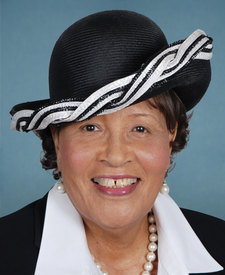
Sponsors




Legislative Progress
In CommitteeReferred to the House Committee on Education and Workforce.
Submitted in House
Stakeholder Effects
cui bono?How this legislation distributes effects. Mention counts reflect frequency, not effect magnitude.
Congressional labor committees, Federal labor enforcement offices
Bill Structure & Actor Mappings
Who is "The Secretary" in each section?
We use a combination of our own taxonomy and classification in addition to large language models to assess meaning and potential beneficiaries. High confidence means strong textual evidence. Always verify with the original bill text.
Learn more about our methodology