Expressing the sense of Congress that the United States is committed to ensuring a safe and healthy climate for future generations, and thus to restoring the climate.
Summary
What This Bill Does
This concurrent resolution is a climate-policy statement. It says Congress has an obligation to future generations to restore a safe climate, declares climate restoration and net-zero carbon dioxide emissions to be policy priorities, and calls on the President, Secretary of State, and U.S. Ambassador to the United Nations to take actions that restore the climate and stabilize greenhouse gas concentrations at preindustrial levels. It does not impose emissions limits, but it raises the ambition of federal and diplomatic climate goals.
Who Benefits and How
Future generations benefit because the resolution frames climate restoration as an obligation owed to people who will live with long-term climate risks. Climate scientists benefit because the resolution recognizes greenhouse gas concentrations and preindustrial stabilization as policy-relevant benchmarks. State Department climate diplomats benefit from congressional support for ambitious climate restoration goals in international forums. Communities vulnerable to climate harms benefit from a congressional statement that links climate policy to safety and health.
Who Bears the Burden and How
The President must respond politically to congressional calls for climate restoration action. The Secretary of State and U.S. Ambassador to the United Nations face diplomatic expectations to pursue climate restoration internationally. High-emissions industries may face political pressure if policymakers use the resolution to justify stronger climate measures. Federal climate offices must evaluate what actions could credibly move policy toward net-zero carbon dioxide and restored greenhouse gas concentrations.
Key Provisions
- Provides congressional recognition of an obligation to future generations to restore a safe climate.
- Establishes climate restoration and net-zero carbon dioxide emissions as stated climate policy priorities.
- Calls on the President, Secretary of State, and U.S. Ambassador to the United Nations to act.
- Uses a sense resolution to elevate climate ambition without directly imposing emissions limits.
Evidence Chain:
This summary is generated from the full bill text using AI analysis. Expand "Detailed Analysis" below for identified beneficiaries/burden bearers.
At a Glance
What This Bill Does
Expresses that the United States should restore a safe climate, make climate restoration and net-zero carbon dioxide priorities, and direct presidential and diplomatic action toward preindustrial greenhouse gas concentrations.
Key Policy Areas
Climate, Foreign Affairs, Environment
Primary Purpose
Expresses that the United States should restore a safe climate, make climate restoration and net-zero carbon dioxide priorities, and direct presidential and diplomatic action toward preindustrial greenhouse gas concentrations.
Policy Domains
Resolution provisions
Identified Gains
Contextual inference, no direct clause citation- Future generations
- Climate scientists
- State Department climate diplomats
- Climate-vulnerable communities
Contextual inference, no direct clause citation
Identified Costs
Contextual inference, no direct clause citation- President of the United States
- Secretary of State
- U.S. Ambassador to the United Nations
- High-emissions industries
Contextual inference, no direct clause citation
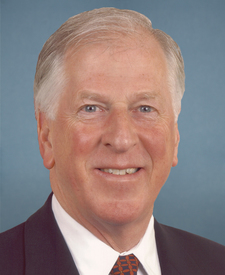
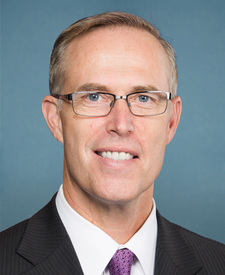
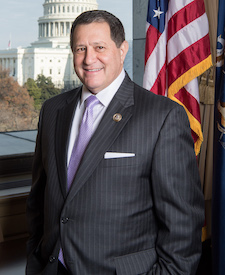
Sponsors

Legislative Progress
In CommitteeReferred to the Committee on Energy and Commerce, and in …
Submitted in House
Bill Structure & Actor Mappings
Who is "The Secretary" in each section?
- "president"
- → President of the United States
- "secretary"
- → Secretary of State
We use a combination of our own taxonomy and classification in addition to large language models to assess meaning and potential beneficiaries. High confidence means strong textual evidence. Always verify with the original bill text.
Learn more about our methodology