Directing the President pursuant to section 5(c) of the War Powers Resolution to remove United States Armed Forces from unauthorized hostilities in the Islamic Republic of Iran.
Summary
What This Bill Does
This concurrent resolution is a War Powers Resolution measure. It invokes section 5(c) to direct the President to remove United States Armed Forces from hostilities in the Islamic Republic of Iran that Congress has not authorized. The measure does not create a broader peace agreement or foreign-aid program; its legal point is to force disengagement from a specific theater unless Congress has separately authorized the use of force. That makes the central stakes military risk for U.S. service members, the President's operational control of deployments, and Congress's constitutional role in authorizing hostilities.
Who Benefits and How
United States service members benefit because the resolution seeks to reduce their exposure to combat or hostile-fire risk in an unauthorized conflict. Families of deployed service members benefit because removal would lower the chance that relatives remain in a conflict Congress has not approved. Congressional war powers committees benefit because the resolution reinforces Congress's role in deciding whether U.S. forces may remain in hostilities. Antiwar advocacy organizations benefit from a formal congressional vehicle that forces debate and a vote on ending the deployment.
Who Bears the Burden and How
The President of the United States must order removal if the concurrent resolution is effective under the War Powers framework. Department of Defense operational planners must unwind deployments, force-protection arrangements, logistics, and mission orders tied to the hostilities. Combatant command staff must manage withdrawal timing while protecting personnel and equipment. Iranian military officers face a changed U.S. military posture and may adjust operations once U.S. forces are directed to leave.
Key Provisions
- Directs removal of United States Armed Forces from hostilities Congress has not authorized.
- Uses section 5(c) of the War Powers Resolution as the procedural authority.
- Requires the President and Defense Department to treat the measure as a withdrawal directive rather than a symbolic statement.
- Protects Congress's war-authorization role by forcing a direct decision on continued hostilities.
Evidence Chain:
This summary is generated from the full bill text using AI analysis. Expand "Detailed Analysis" below for identified beneficiaries/burden bearers with clause-level evidence links.
At a Glance
What This Bill Does
Directs the President to remove United States Armed Forces from unauthorized hostilities in the Islamic Republic of Iran under section 5(c) of the War Powers Resolution.
Key Policy Areas
Foreign Affairs, Defense, War Powers
Primary Purpose
Directs the President to remove United States Armed Forces from unauthorized hostilities in the Islamic Republic of Iran under section 5(c) of the War Powers Resolution.
Policy Domains
Resolution provisions
Identified Gains
- United States service members
- Families of deployed service members
- Congressional war powers committees
- Antiwar advocacy organizations
Identified Costs
- President of the United States
- Department of Defense operational planners
- Combatant command staff
- Iranian military officers
Sponsors
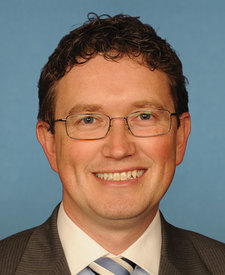
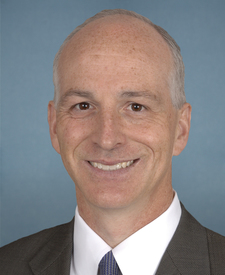

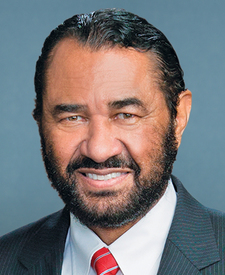

Legislative Progress
In CommitteeMotion to reconsider laid on the table Agreed to without …
On agreeing to the resolution Failed by the Yeas and …
Failed of passage/not agreed to in House On agreeing to …
Considered as unfinished business. (consideration: CR H2449)
POSTPONED PROCEEDINGS - At the conclusion of debate on H.Con.Res. …
The previous question was ordered pursuant to a previous order …
DEBATE - Pursuant to a previous order, the House proceeded …
Considered pursuant to a previous order. (consideration: CR H2395-2412; text: …
Consideration initiated pursuant to a previous order.
Mr. Mast asked unanimous consent That, it be in order …
Stakeholder Effects
cui bono?How this legislation distributes effects. Mention counts reflect frequency, not effect magnitude.
Congressional war powers committees, Iranian military officers, President of the United States
Positive-direction: Congressional war powers committees
Negative-direction: President of the United States
Bill Structure & Actor Mappings
Who is "The Secretary" in each section?
- "president"
- → President of the United States
We use a combination of our own taxonomy and classification in addition to large language models to assess meaning and potential beneficiaries. High confidence means strong textual evidence. Always verify with the original bill text.
Learn more about our methodology