Expressing support for the work of open water lifeguards as first responders and emergency response providers.
Summary
What This Bill Does
This concurrent resolution recognizes open water lifeguards as first responders and emergency response providers. It does not create a new federal benefit, but it gives congressional recognition to beach, lake, river, and ocean rescue work. The practical value is public status: lifeguards, coastal communities, emergency managers, and training organizations can point to Congress's statement when seeking recognition, staffing support, and integration into emergency planning.
Who Benefits and How
Open water lifeguards benefit from congressional recognition as first responders rather than seasonal recreation staff. Beach and waterfront communities benefit because the resolution highlights lifesaving rescue capacity in high-risk public spaces. Emergency management offices benefit from clearer support for including lifeguards in local response planning. Lifeguard training organizations benefit because recognition can support recruitment, professionalism, and standards.
Who Bears the Burden and How
Local governments still bear staffing and equipment costs because the resolution does not appropriate money. Emergency management offices may face pressure to integrate open water lifeguards more formally into response systems. Public safety departments must coordinate roles if lifeguards are treated as emergency response providers. Congressional offices bear only recognition and oversight responsibility unless they later pursue funding legislation.
Key Provisions
- Recognizes open water lifeguards as first responders and emergency response providers.
- Provides congressional support for the lifesaving role of beach, lake, river, and ocean rescue personnel.
- Strengthens the case for including lifeguards in emergency planning and training systems.
- Uses recognition without creating a new federal grant or reimbursement program.
Evidence Chain:
This summary is generated from the full bill text using AI analysis. Expand "Detailed Analysis" below for identified beneficiaries/burden bearers.
At a Glance
What This Bill Does
Expresses support for open water lifeguards as first responders and emergency response providers.
Key Policy Areas
Public Safety, Emergency Response, Local Government
Primary Purpose
Expresses support for open water lifeguards as first responders and emergency response providers.
Policy Domains
Resolution provisions
Identified Gains
Contextual inference, no direct clause citation- Open water lifeguards
- Waterfront communities
- Emergency management offices
- Lifeguard training organizations
Contextual inference, no direct clause citation
Identified Costs
Contextual inference, no direct clause citation- Local governments
- Emergency management offices
- Public safety departments
- Congressional offices
Contextual inference, no direct clause citation
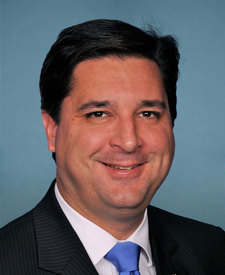
Sponsors




Legislative Progress
In CommitteeReferred to the House Committee on Transportation and Infrastructure.
Submitted in House
Bill Structure & Actor Mappings
Who is "The Secretary" in each section?
We use a combination of our own taxonomy and classification in addition to large language models to assess meaning and potential beneficiaries. High confidence means strong textual evidence. Always verify with the original bill text.
Learn more about our methodology